Papers using HERD
30+ papers from 15+ institutions worldwide using HERD in their setups.
34 papers
Papers
Yale University
Devoret group
Qubits & coherence · 2025-05
Yale University Devoret group
Qubits & coherence · 2025-05
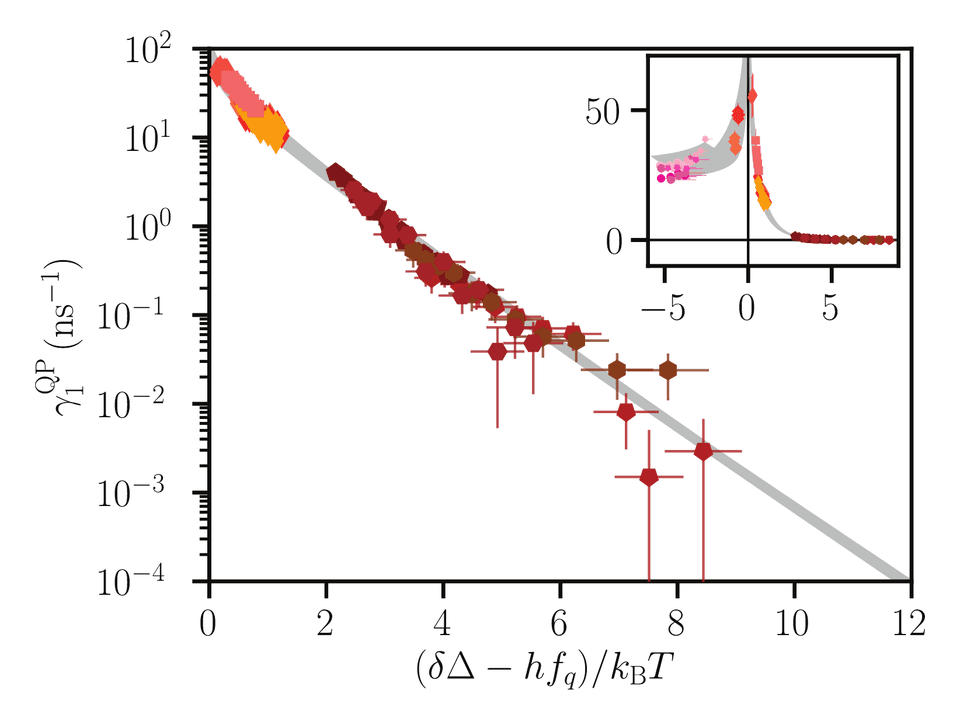
Recovery dynamics of a gap-engineered transmon after a quasiparticle burst
H. Nho et al.Phys. Rev. Lett. 136, 050601 (2026)arXiv:2505.08104
HERD on each RF line inside the light-tight shield at the mixing chamber, with parity switching from stray pair-breaking photons at 0.2 to 1.2 per second.
Princeton University
Houck and de Leon groups
Qubits & coherence · 2025-03
Princeton University Houck and de Leon groups
Qubits & coherence · 2025-03
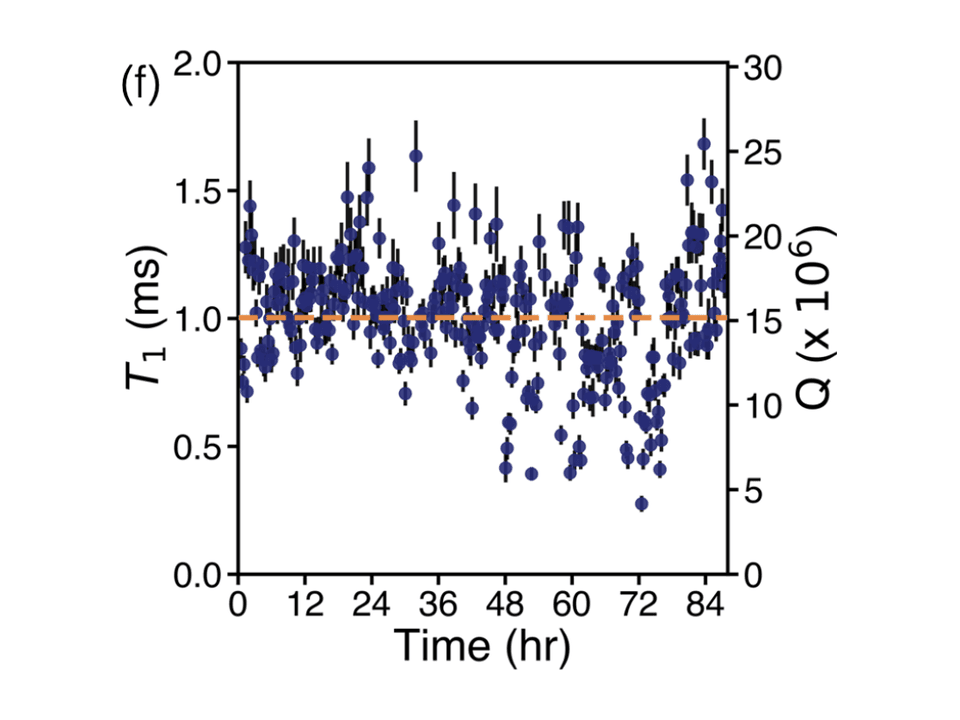
Millisecond lifetimes and coherence times in 2D transmon qubits
M. P. Bland et al.Nature 647, 343–348 (2025)arXiv:2503.14798
HERD on the qubit drive line and the readout input line at 20 mK.
Karlsruhe Institute of Technology
Pop group
Qubits & coherence · 2025-10
Karlsruhe Institute of Technology Pop group
Qubits & coherence · 2025-10
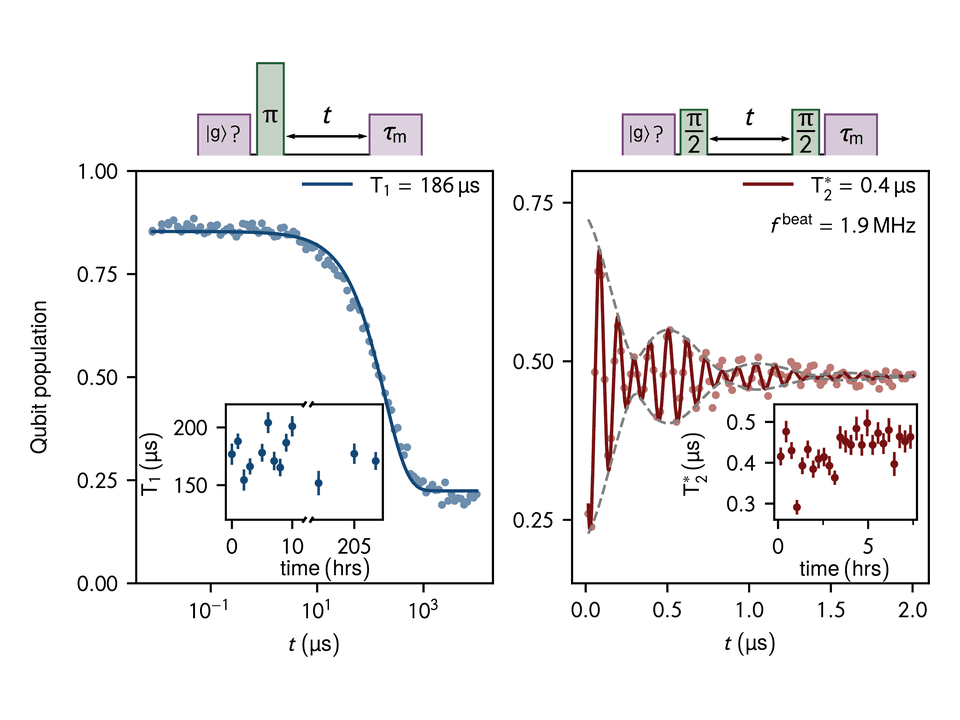
Quantum coherent manipulation and readout of superconducting vortex states
A. Nambisan et al.Nature 653, 63–67 (2026)arXiv:2510.19769
HERD directly on the sample holder's single readout and control line at 20 mK.
Yale University
Devoret group
Readout & amplifiers · 2024-07
Yale University Devoret group
Readout & amplifiers · 2024-07
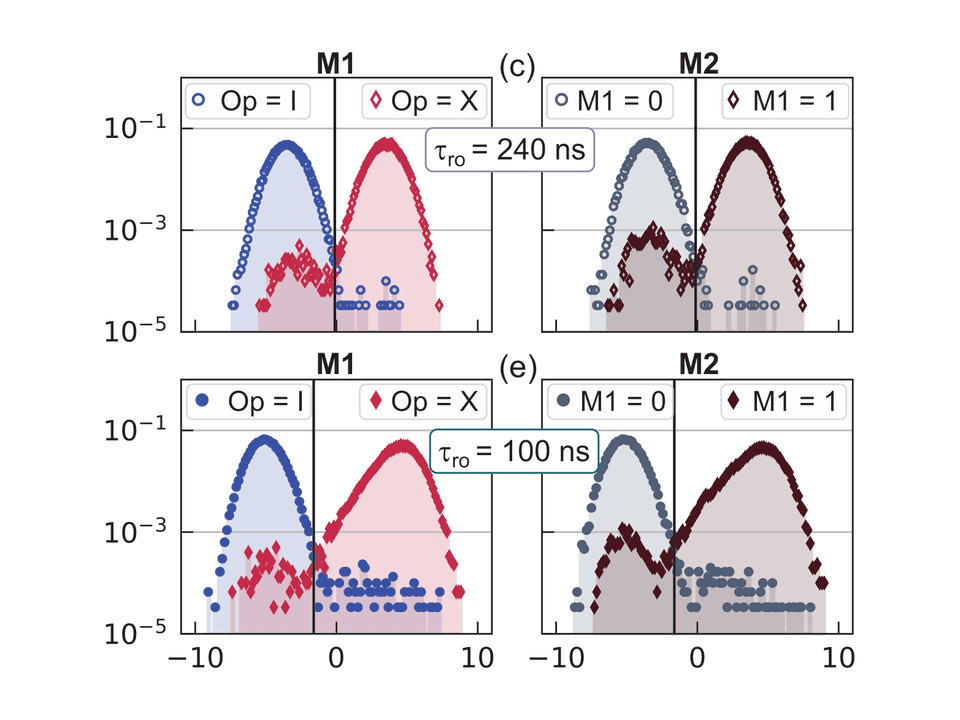
Benchmarking the readout of a superconducting qubit for repeated measurements
S. Hazra et al.Phys. Rev. Lett. 134, 100601 (2025)arXiv:2407.10934
HERD at the strongly coupled port, inside the light-tight Cryoperm shield at the mixing chamber.
MIT
Oliver group
Processors & gates · 2025-11
MIT Oliver group
Processors & gates · 2025-11
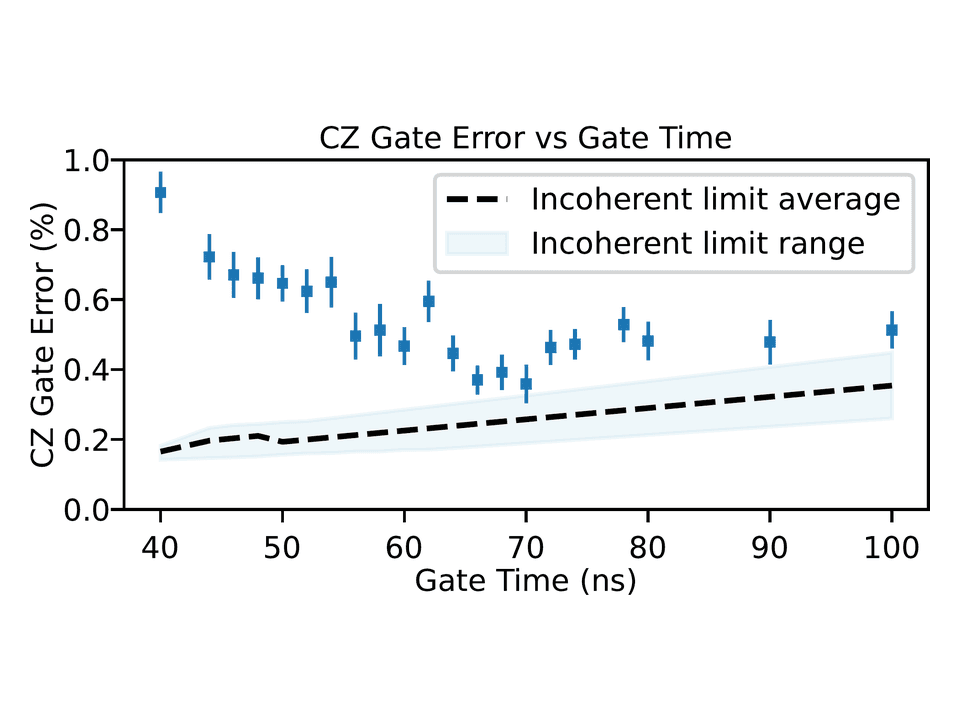
ZZ-Free Two-Transmon CZ Gate Mediated by a Fluxonium Coupler
J. An et al.arXiv:2511.02115
HERD on the readout line inside the sample can at 20 mK, directly at the device.
TU Delft / QuTech
Kouwenhoven group
Qubits & coherence · 2026-07
TU Delft / QuTech Kouwenhoven group
Qubits & coherence · 2026-07
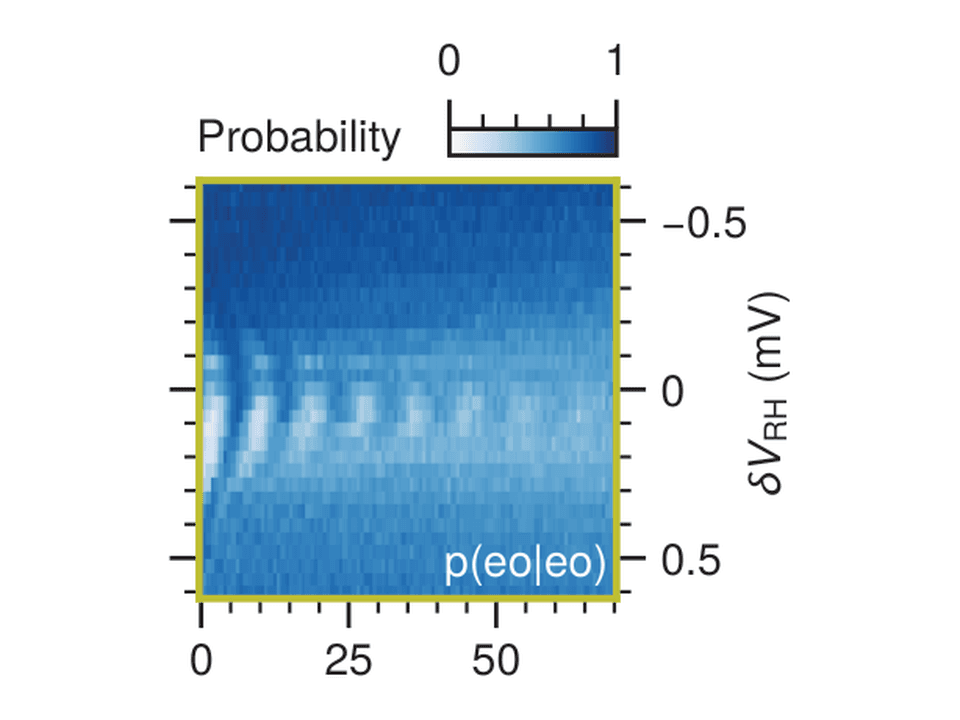
Majorana parity qubit in coupled minimal Kitaev chains
F. Zatelli et al.arXiv:2607.09511
HERD on the RF readout line inside the IR shield at the mixing chamber.
Fermilab SQMS
Romanenko, Lu, and Chakram groups
Bosonic & cavity · 2025-06
Fermilab SQMS Romanenko, Lu, and Chakram groups
Bosonic & cavity · 2025-06
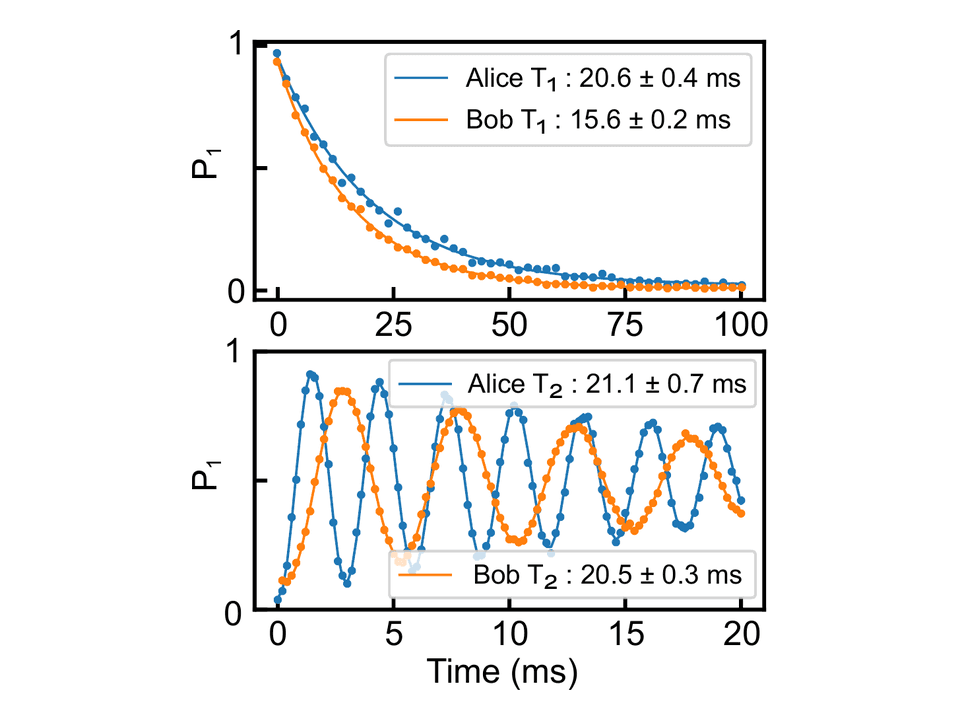
Ultracoherent superconducting cavity-based multiqudit platform with error-resilient control
T. Kim et al.arXiv:2506.03286
HERD on the readout line at about 8 mK, to block infrared with low signal attenuation, for high-fidelity readout.
ENS de Lyon
Huard group
Bosonic & cavity · 2024-09
ENS de Lyon Huard group
Bosonic & cavity · 2024-09
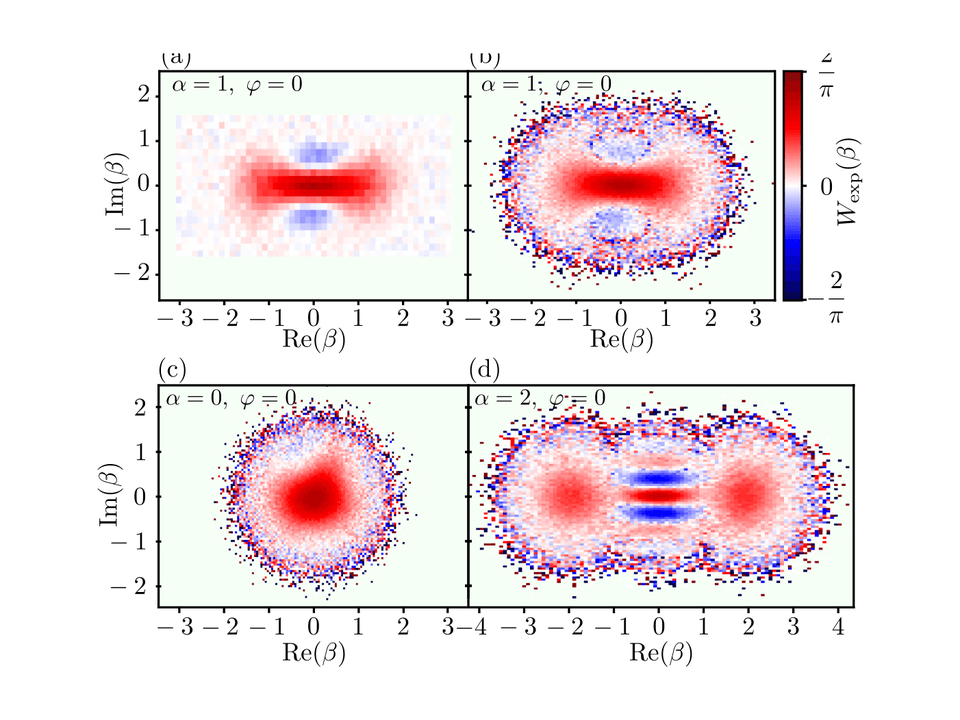
Preparing Schrödinger cat states in a microwave cavity using a neural network
H. Hutin et al.PRX Quantum 6, 010321 (2025)arXiv:2409.05557
HERD on the readout line inside the can at 30 mK.
UC Berkeley
Siddiqi group
Processors & gates · 2026-05
UC Berkeley Siddiqi group
Processors & gates · 2026-05
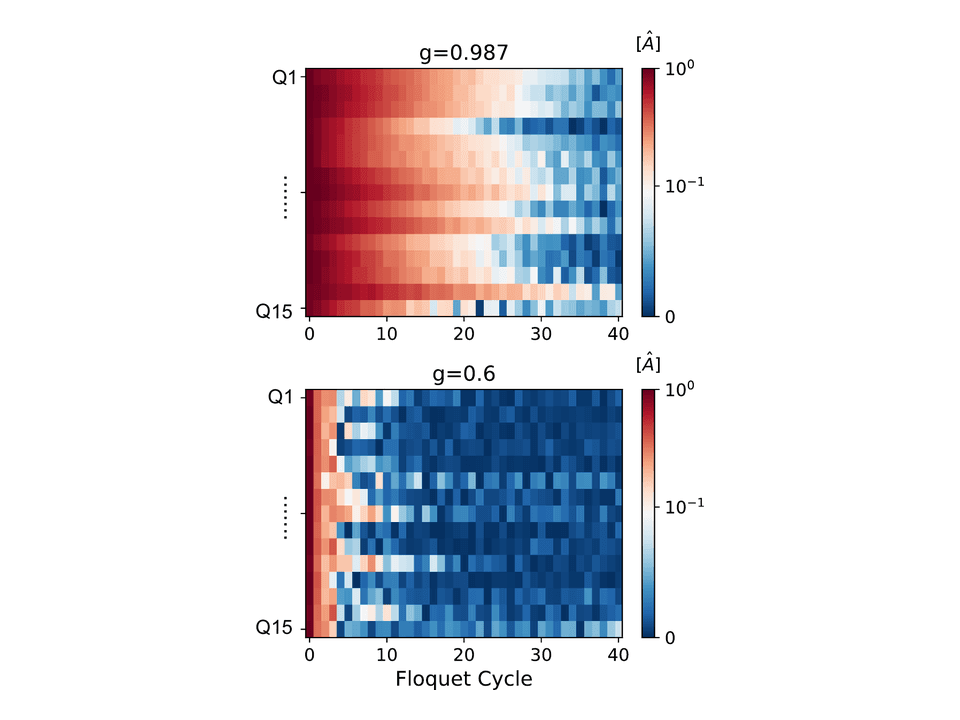
A Qutrit Time Crystal Stabilized with Native Chiral Interactions
N. Goss et al.arXiv:2605.14293
HERD on the readout lines, one of the special components in the group's custom wiring.
Princeton University
Houck and de Leon groups
Qubits & coherence · 2026-03
Princeton University Houck and de Leon groups
Qubits & coherence · 2026-03
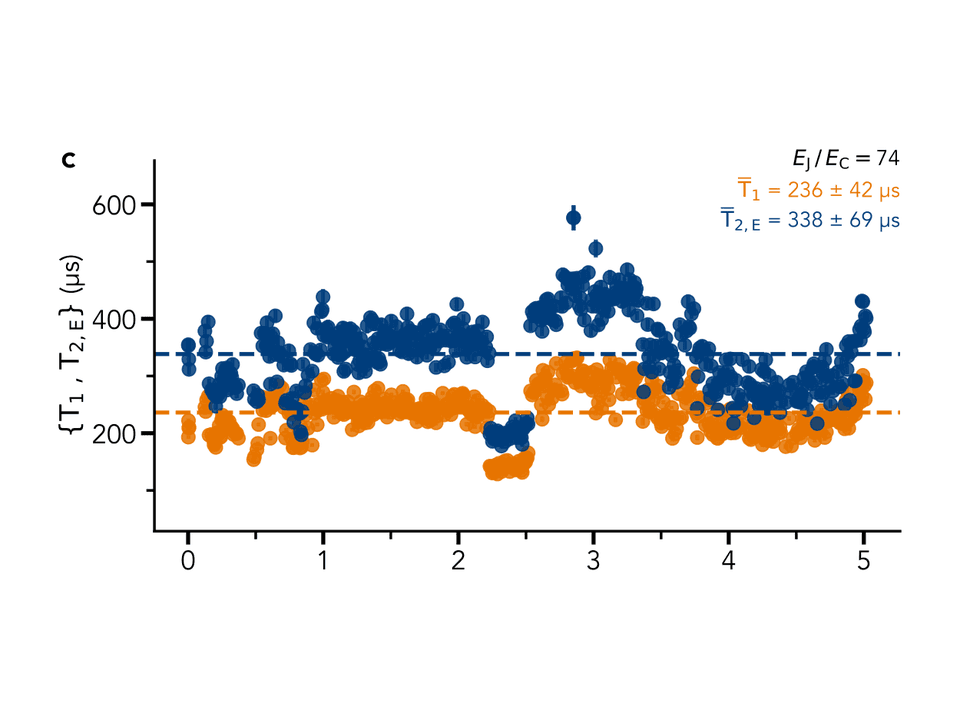
Beta Tantalum Transmon Qubits with Quality Factors Approaching 10 Million
A. Joshi et al.arXiv:2603.13174
HERD on the input line at the mixing chamber.
Princeton University
Houck and de Leon groups
Qubits & coherence · 2026-10
Princeton University Houck and de Leon groups
Qubits & coherence · 2026-10
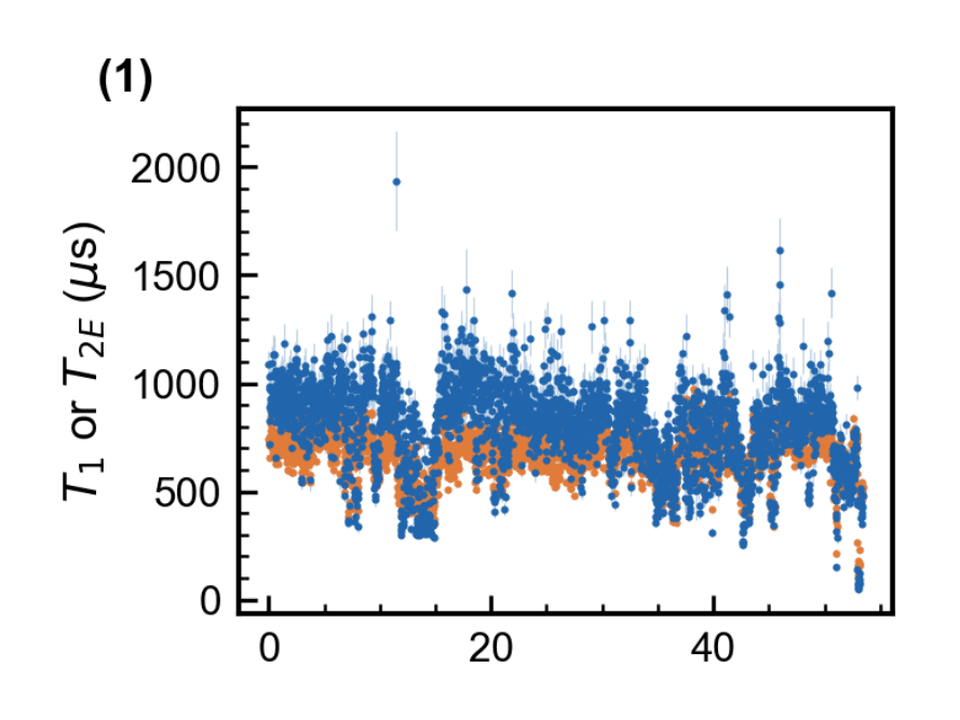
Real-Time Correlation of Relaxation, Dephasing, and Two-level System Dynamics in Transmon Qubits
A. Yang et al.arXiv:2610.34485
HERD on the qubit drive and resonator probe lines at 10 mK.
PTB
Grünhaupt group
Readout & amplifiers · 2025-03
PTB Grünhaupt group
Readout & amplifiers · 2025-03
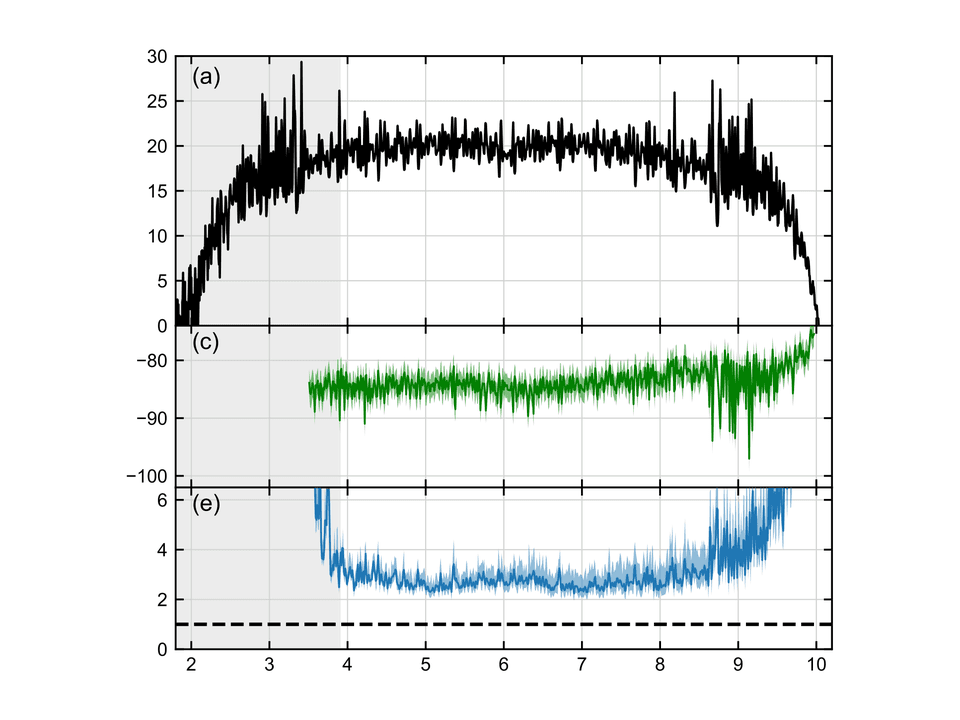
rf-SQUID-based traveling-wave parametric amplifier with input saturation power of −84 dBm across more than one octave in bandwidth
V. Gaydamachenko et al.Phys. Rev. Applied 23, 064053 (2025)arXiv:2503.02489
HERD on the TWPA's input and output at 20 mK, to protect it from pair-breaking photons.
Cornell University
Fatemi group
Bosonic & cavity · 2026-03
Cornell University Fatemi group
Bosonic & cavity · 2026-03
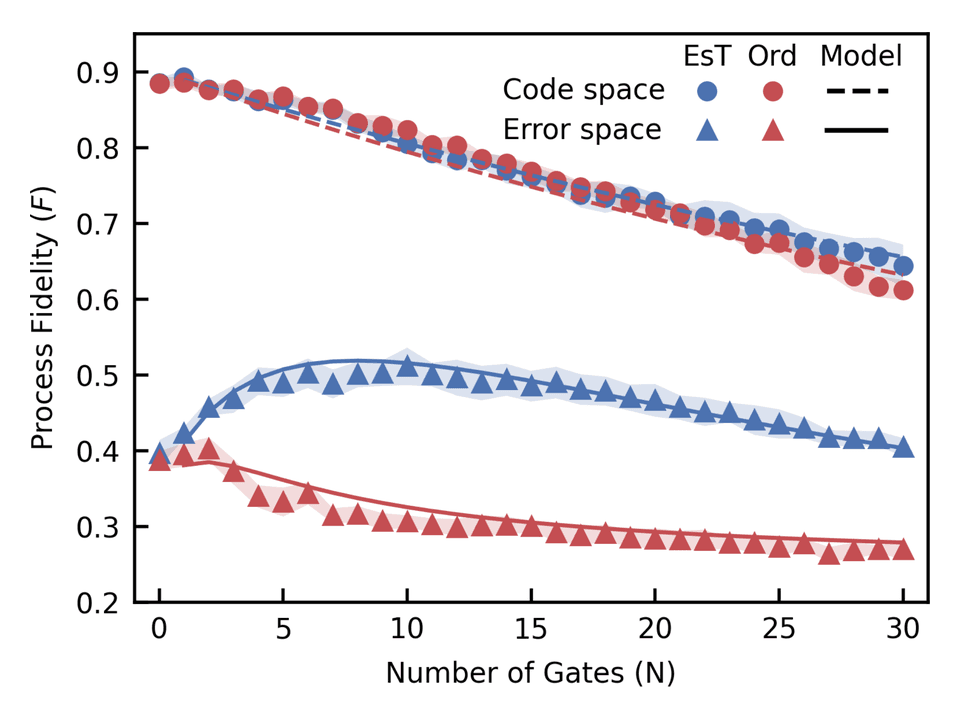
Error semitransparent universal control of a bosonic logical qubit
S. Roy et al.Nat. Commun. 17, 11441 (2026)arXiv:2603.15356
HERD on the readout, qubit, and cavity lines at 20 mK, braided to the copper bracket for thermalization.
Yale University
Devoret group
Readout & amplifiers · 2025-05
Yale University Devoret group
Readout & amplifiers · 2025-05
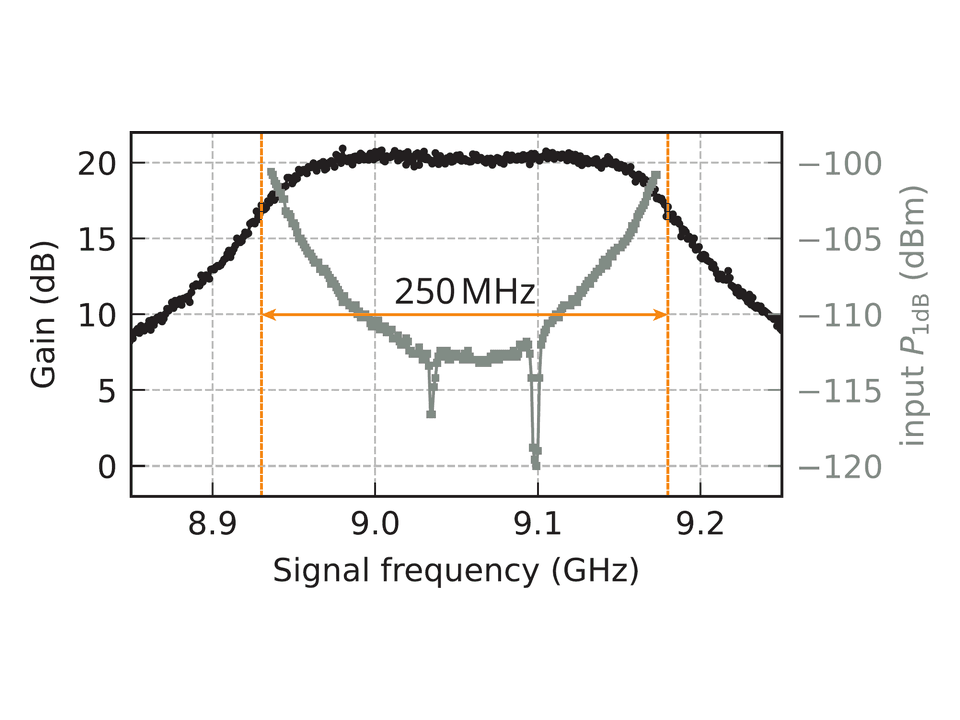
Lumped-element broadband SNAIL parametric amplifier with on-chip pump filter for multiplexed readout
V. R. Joshi et al.Phys. Rev. Applied 24, 044003 (2025)arXiv:2505.02740
HERD on the readout lines inside the light-tight copper enclosure at 20 mK.
Yale University
Devoret group
Readout & amplifiers · 2025-01
Yale University Devoret group
Readout & amplifiers · 2025-01
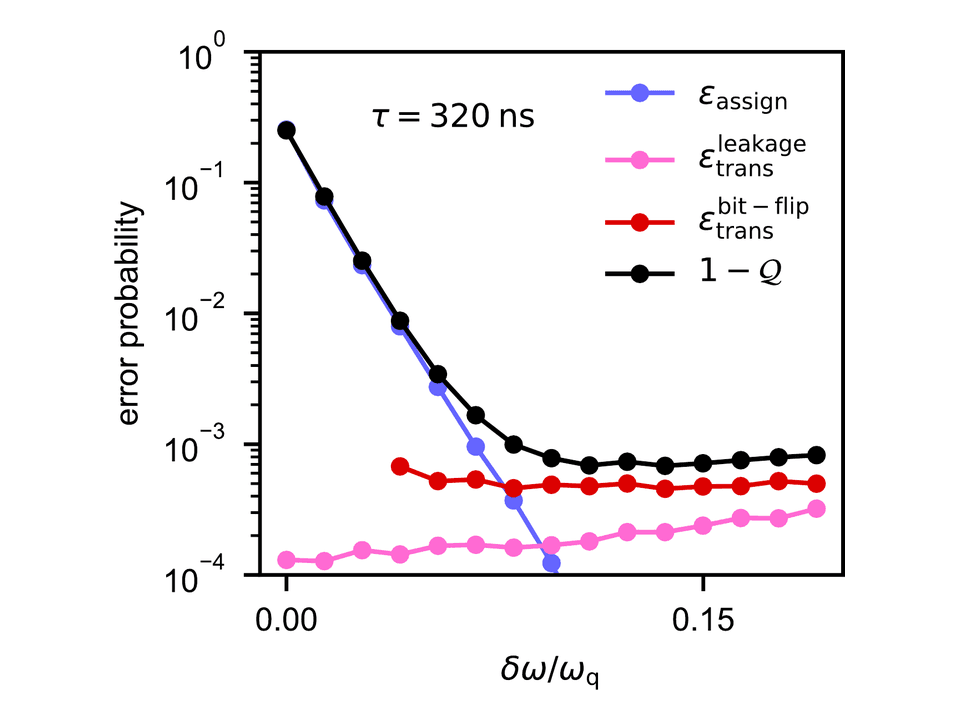
High-frequency readout free from transmon multi-excitation resonances
P. D. Kurilovich et al.arXiv:2501.09161
HERD inside the light-tight shield at 16 mK, to suppress infrared coming from the readout line.
CEA-Saclay and Alice & Bob
Flurin and Bertet groups
Readout & amplifiers · 2025-02
CEA-Saclay and Alice & Bob Flurin and Bertet groups
Readout & amplifiers · 2025-02
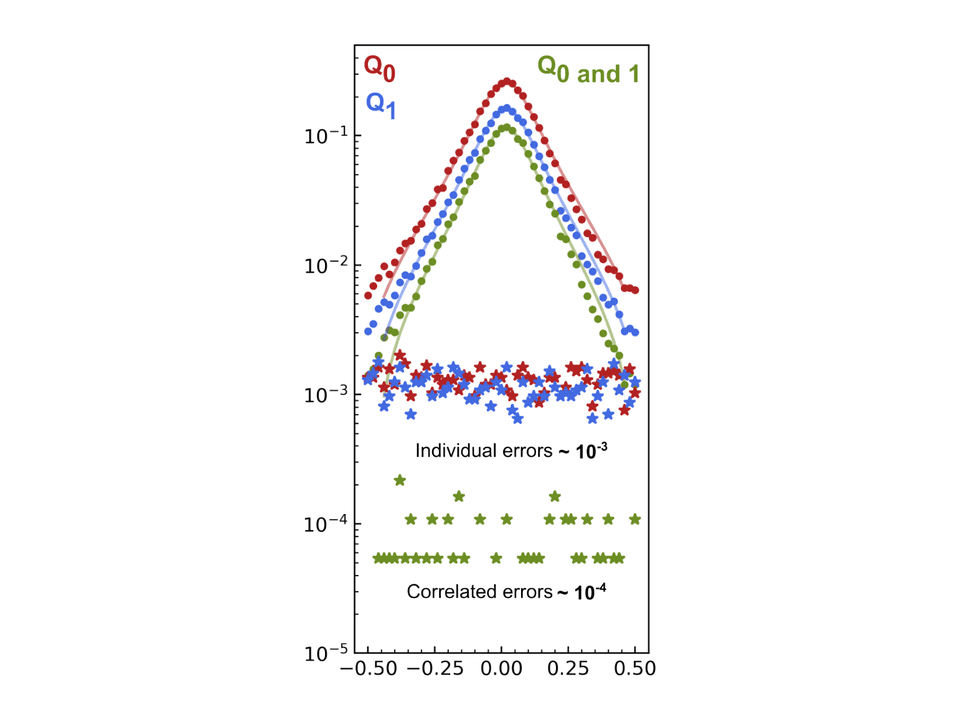
Noise Mitigation in Single Microwave Photon Counting by Cascaded Quantum Measurements
A. S. May et al.arXiv:2502.14804
HERD among the IR filters on the input lines inside the shield at 10 mK, to mitigate infrared radiation.
EPFL
Manucharyan group
Readout & amplifiers · 2025-11
EPFL Manucharyan group
Readout & amplifiers · 2025-11
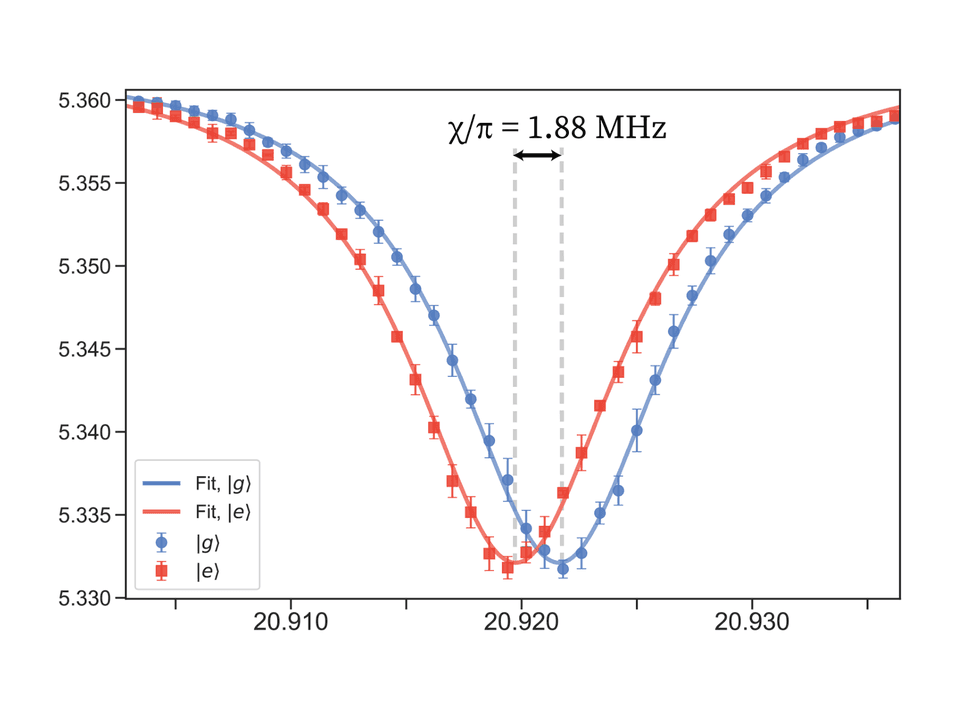
Raising the Cavity Frequency in cQED
R. A. Mencia et al.arXiv:2511.22764
HERD as the last filter on the drive line to the 21 GHz cavity, at the 10 mK stage.
Yale University
Devoret group
Qubits & coherence · 2025-10
Yale University Devoret group
Qubits & coherence · 2025-10
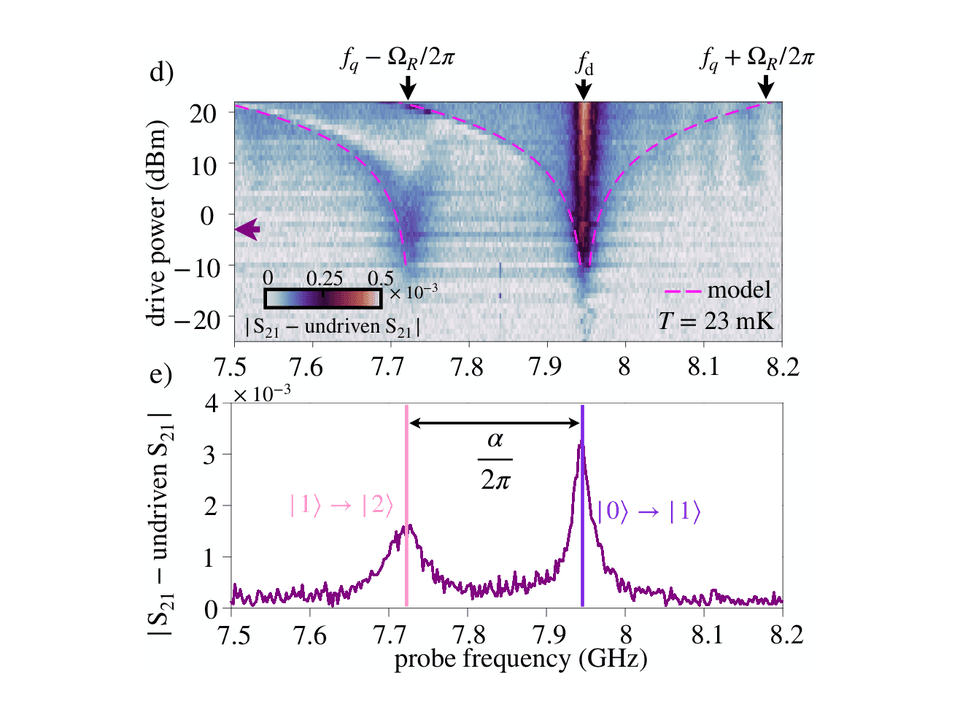
A transmon qubit realized by exploiting the superconductor-insulator transition
C. G. L. Bøttcher et al.arXiv:2510.19983
HERD on the output line inside the light-tight shield, to transmit the desired frequencies from the device cleanly and cut out unwanted ones.
Yale University
Devoret group
Readout & amplifiers · 2026-06
Yale University Devoret group
Readout & amplifiers · 2026-06
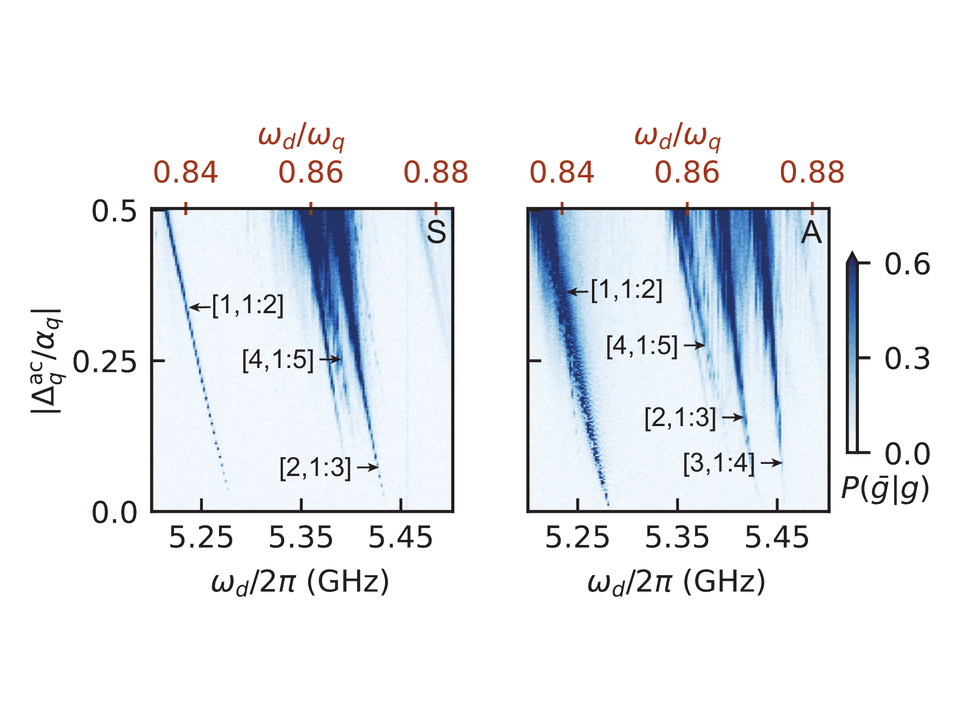
Readout-Induced Leakage in Superconducting Circuits with Nonlinear Couplings
S. Hazra et al.arXiv:2606.16055
HERD on the readout line, inside the light-tight shield at 25 mK.
Yale University
Devoret group
Readout & amplifiers · 2025-06
Yale University Devoret group
Readout & amplifiers · 2025-06
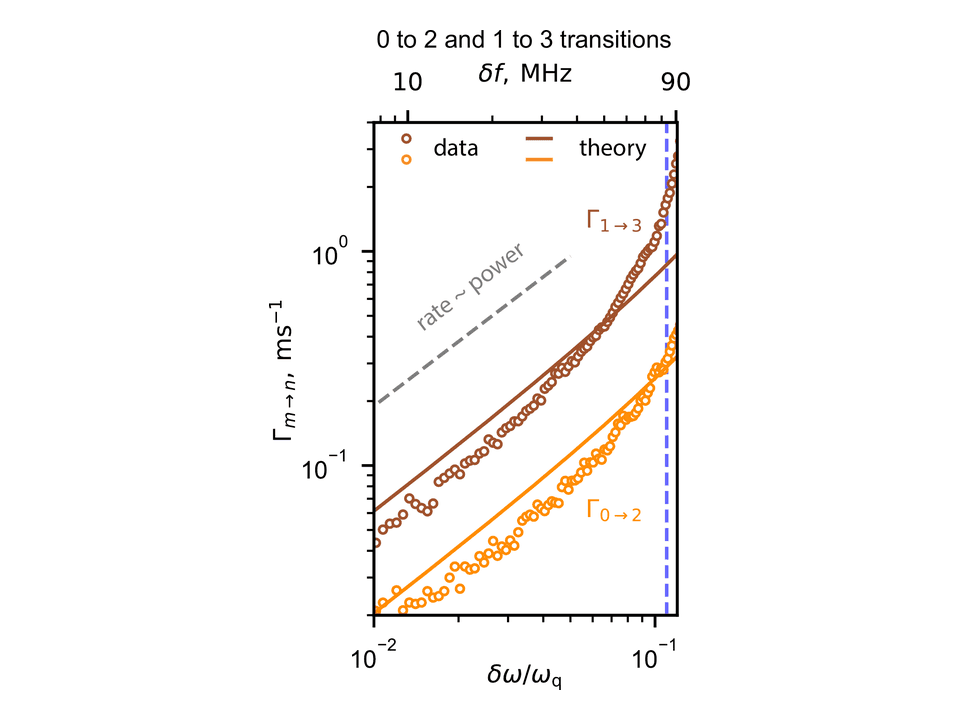
Full characterization of measurement-induced transitions of a superconducting qubit
T. Connolly et al.arXiv:2506.05306
HERD inside the light-tight shield at 16 mK on the readout channel, to suppress infrared coming in through it.
Academia Sinica
Ke and C.-D. Chen groups
Readout & amplifiers · 2026-07
Academia Sinica Ke and C.-D. Chen groups
Readout & amplifiers · 2026-07
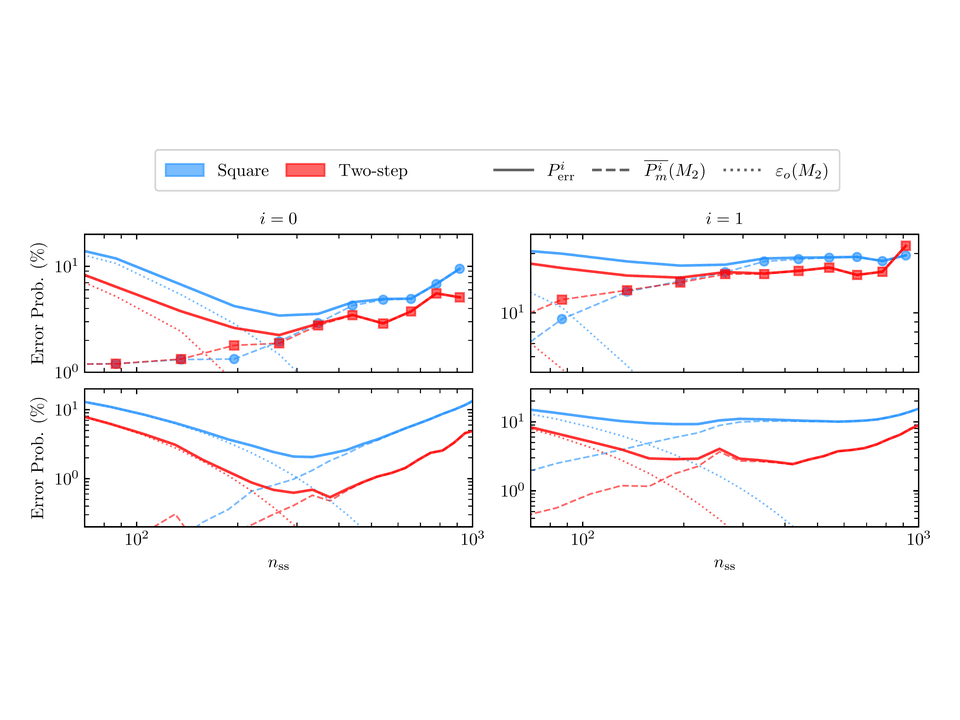
Mitigation of Measurement-Induced State Transitions via a Fast-Load and Fast-Clear Readout
W.-E. Lin et al.arXiv:2607.23681
HERD is the only IR filter on the output line at 17 mK, because its ultra-low passband loss preserves readout SNR. It is on the input drive at 17 mK as well.
Cornell University and MIT
McMahon and Oliver groups
Devices & sensing · 2026-08
Cornell University and MIT McMahon and Oliver groups
Devices & sensing · 2026-08
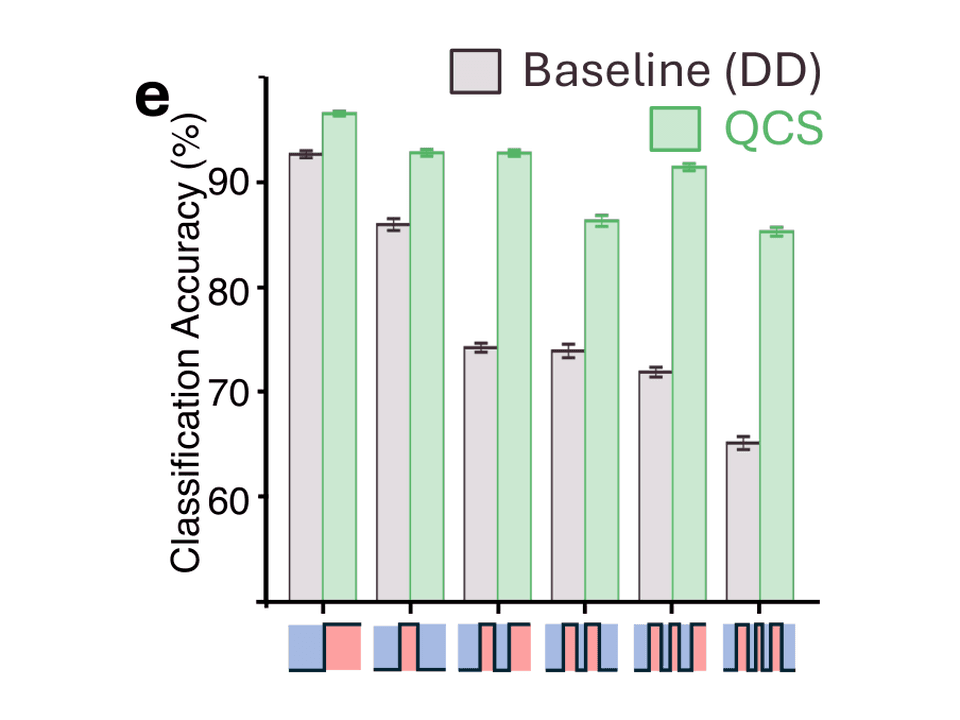
Quantum sensors that compute: quantum computational magnetic-field sensing using a superconducting qubit
P. Sen et al.arXiv:2608.17400
HERD on the readout input line at 10 mK inside the Cryoperm shield.
Karlsruhe Institute of Technology
Pop group
Readout & amplifiers · 2025-12
Karlsruhe Institute of Technology Pop group
Readout & amplifiers · 2025-12
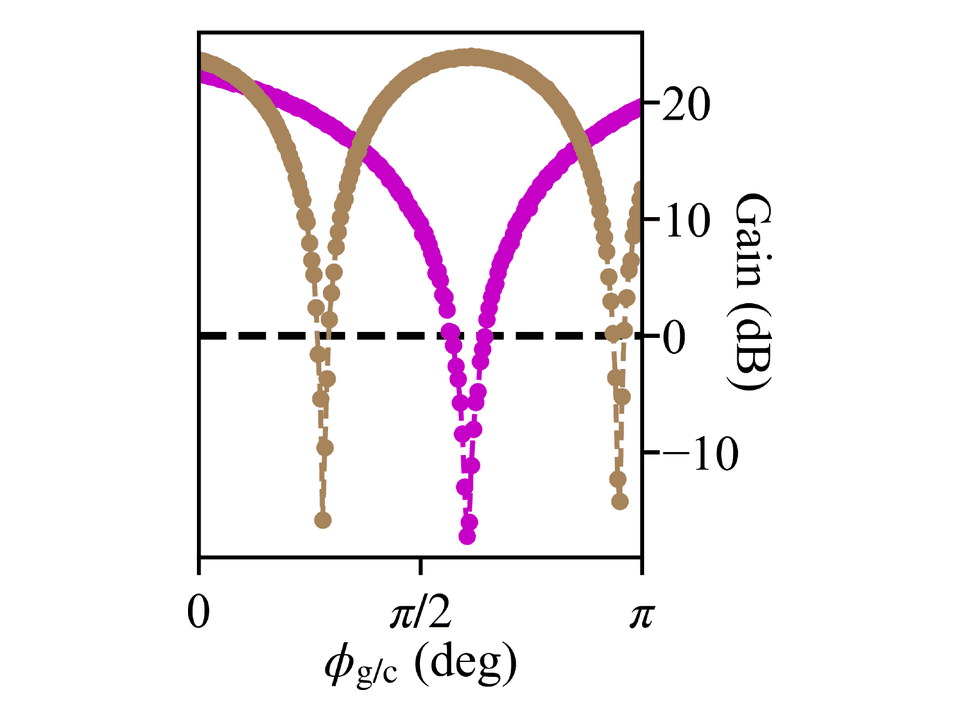
Double-Pumped Kerr Parametric Amplifier Beyond the Gain-Bandwidth Limit
N. Zapata et al.arXiv:2601.00078
HERD on the output line at 30 mK, between the isolator and the HEMT.
Chalmers University of Technology
Tancredi group
Processors & gates · 2026-10
Chalmers University of Technology Tancredi group
Processors & gates · 2026-10
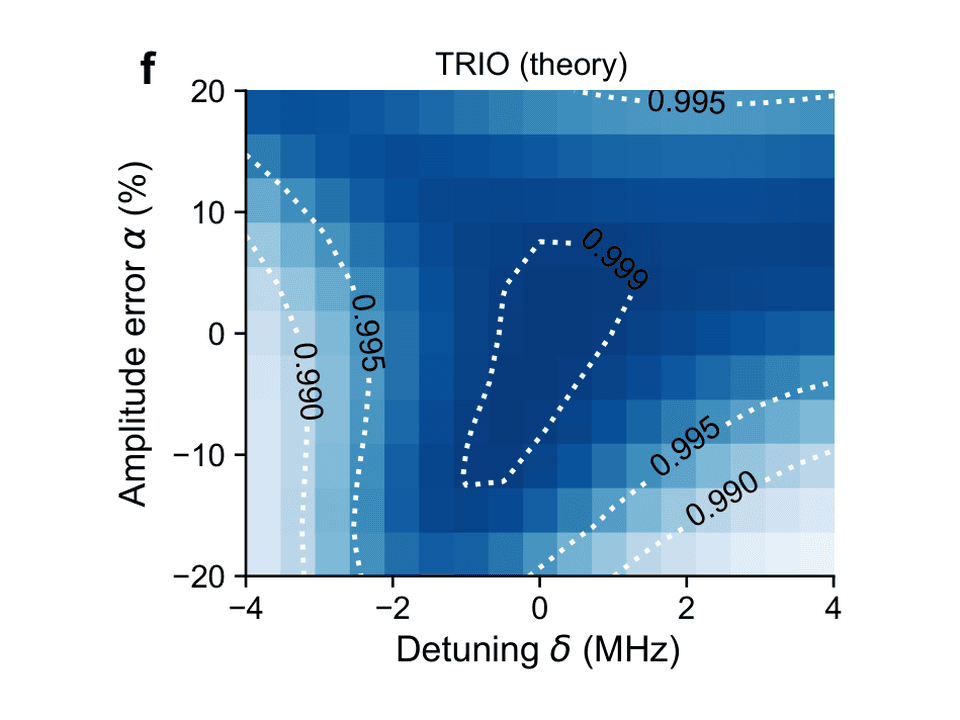
Optimal robust single-qubit gates in superconducting quantum processors
T. Huang et al.arXiv:2610.24212
HERD on the readout return line at the 100 mK stage.
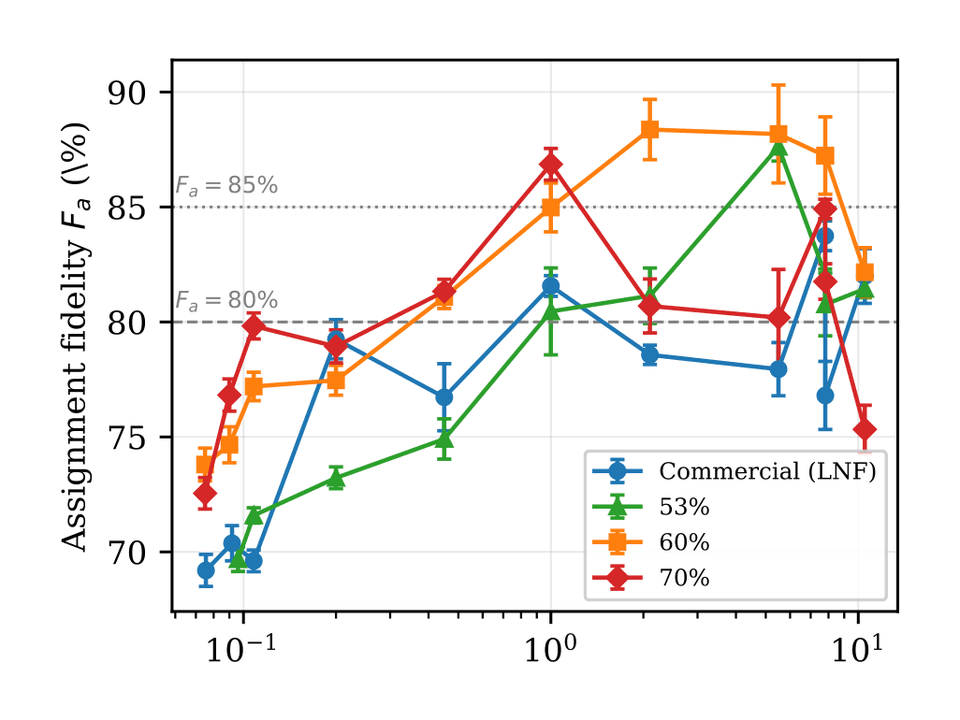
Chalmers University of Technology and Low Noise Factory
Readout & amplifiers · 2026-09
Chalmers University of Technology and Low Noise Factory
Readout & amplifiers · 2026-09
Qubit-Based Benchmarking of InP HEMT LNAs: Readout Fidelity Versus Power Consumption
J. LiarXiv:2609.07250
HERD at 10 mK on both sides of the qubit chip, one before it and one after it.
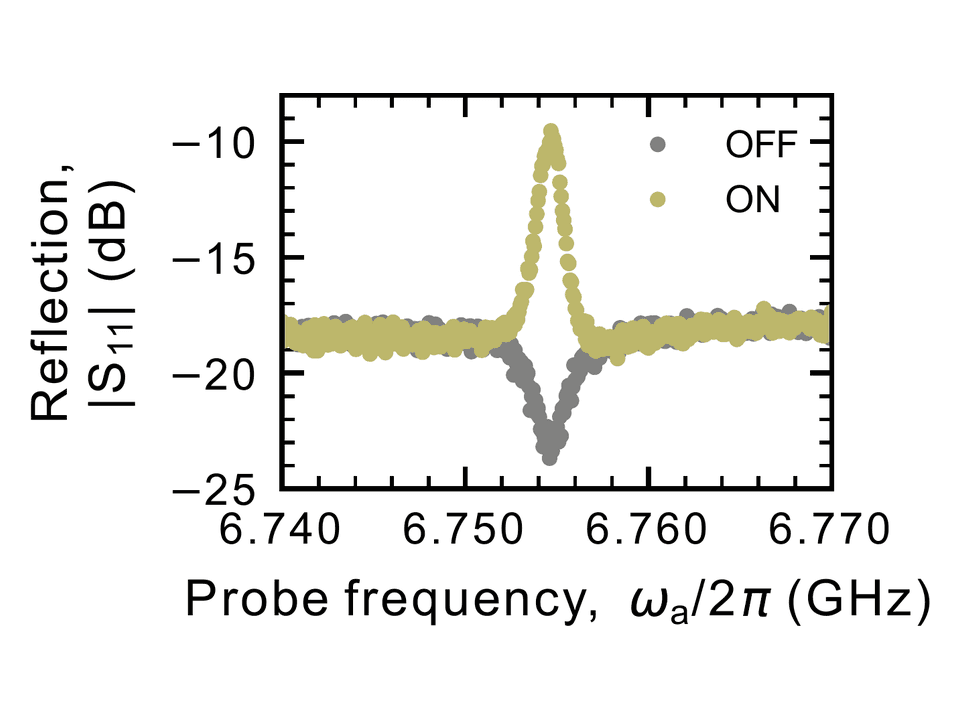
Chalmers University of Technology
Gasparinetti and Geresdi groups
Devices & sensing · 2026-08
Chalmers University of Technology Gasparinetti and Geresdi groups
Devices & sensing · 2026-08
Kerr nonlinearity and three-wave mixing in superconducting resonators hosting Al-InAs weak links
V. Buccheri et al.arXiv:2608.28428
HERD on the output line at the mixing chamber, after the isolators and before the HEMT.
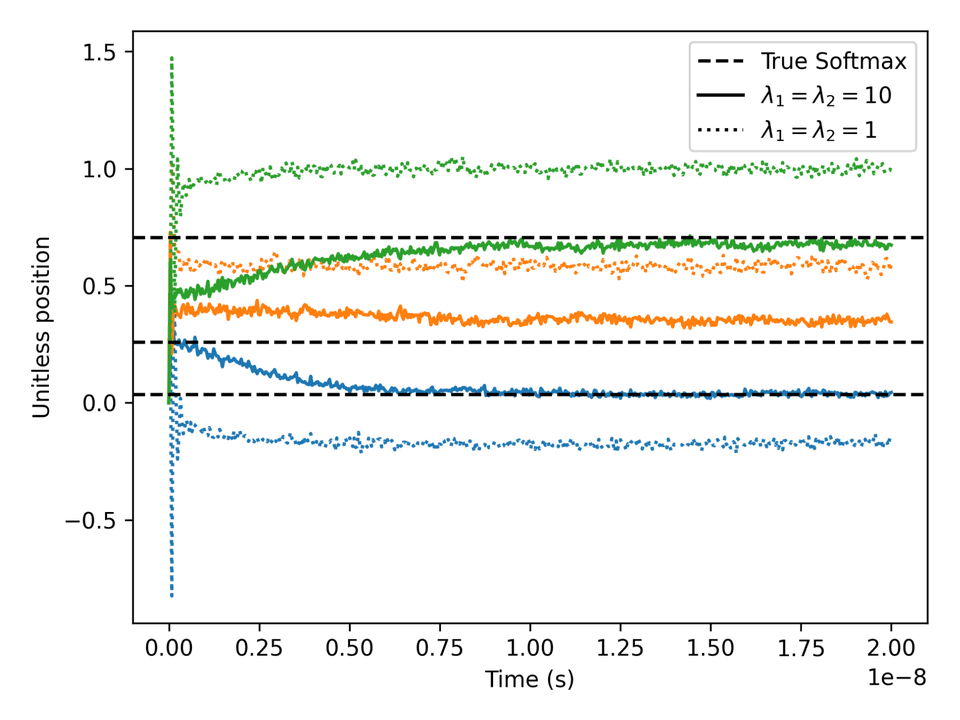
Extropic
Devices & sensing · 2026-07
Extropic
Devices & sensing · 2026-07
A Blueprint for Equilibrium-Based Differentiable Continuous-Variable Thermodynamic Computing
O. Lockwood et al.arXiv:2607.16183
HERD on the readout output at the mixing chamber, before the isolator.
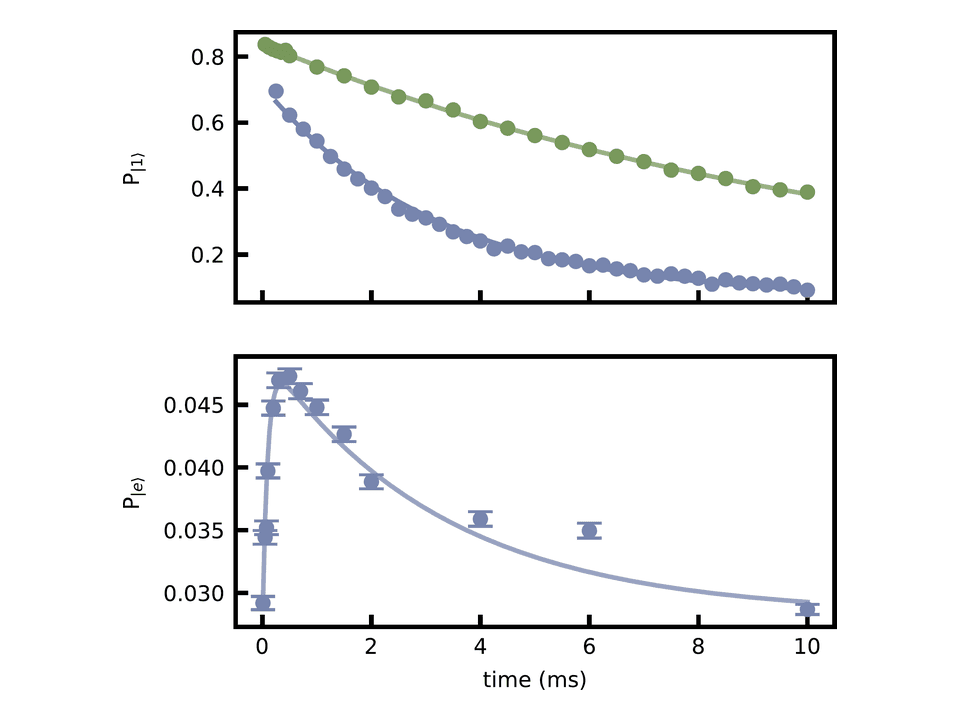
Weizmann Institute of Science
Rosenblum group
Bosonic & cavity · 2026-03
Weizmann Institute of Science Rosenblum group
Bosonic & cavity · 2026-03
Qubit Noise Sensing via Induced Photon Loss in a Superconducting Cavity
N. Kahn et al.Phys. Rev. Lett. (2026)arXiv:2603.06848
HERD inside the aluminum shield at 10 mK, on the line shared by readout input and output, directly at the device.
Chalmers University of Technology
Gasparinetti group
Devices & sensing · 2026-02
Chalmers University of Technology Gasparinetti group
Devices & sensing · 2026-02
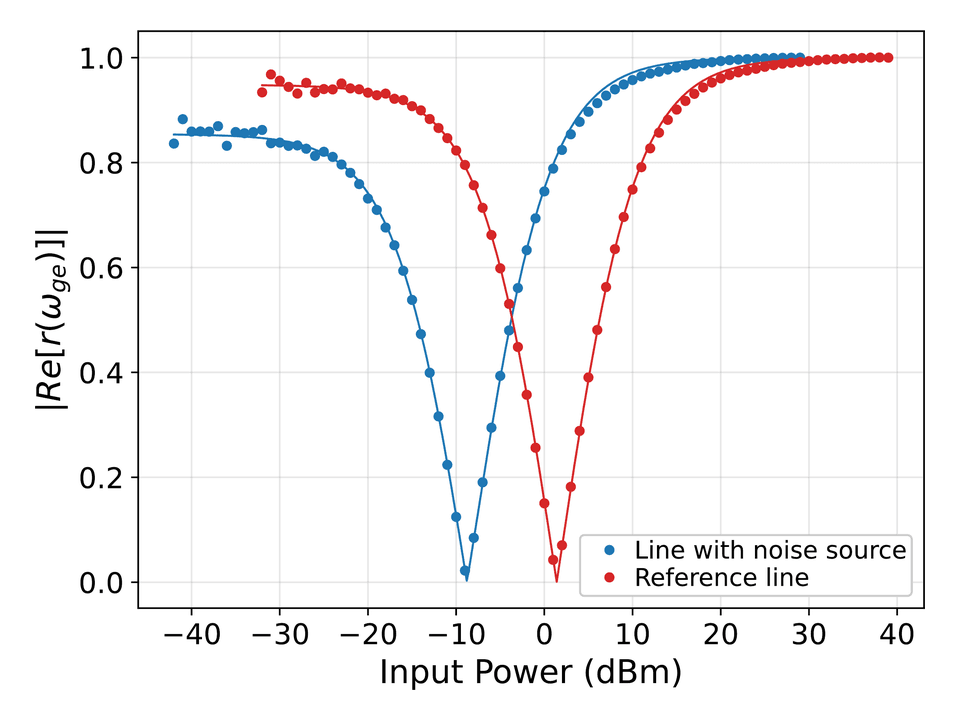
In situ calibration of microwave attenuation and gain using a cryogenic on-chip attenuator
T. Descamps et al.arXiv:2602.16889
HERD at the base plate on the input line, to keep blackbody radiation and electrical noise from heating the on-chip attenuator, and on the reference line.
Weizmann Institute of Science
Rosenblum group
Bosonic & cavity · 2026-02
Weizmann Institute of Science Rosenblum group
Bosonic & cavity · 2026-02
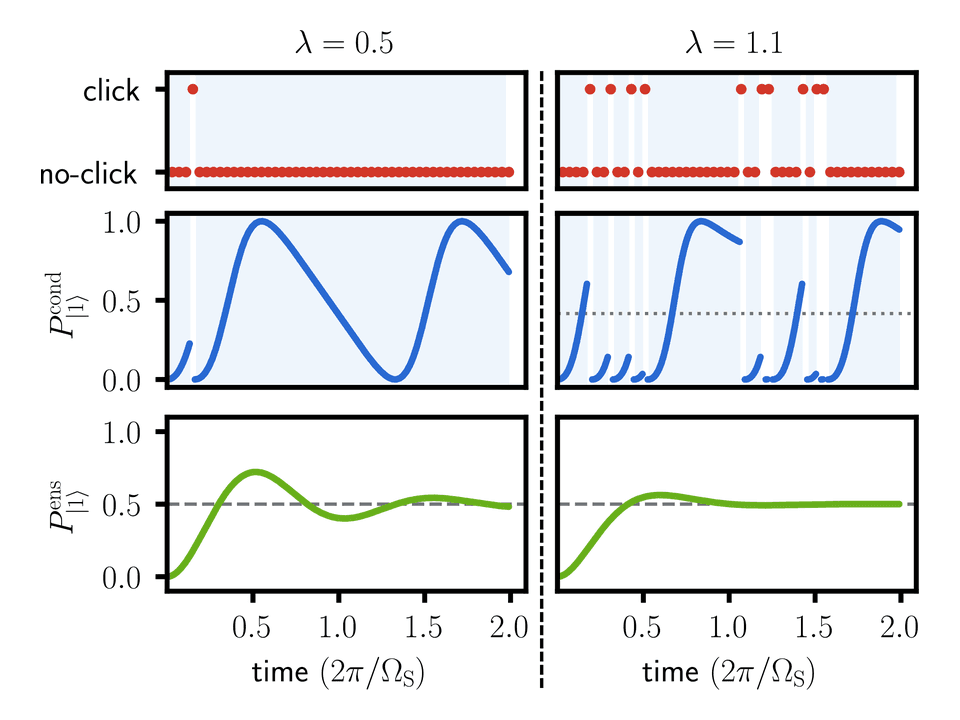
Gradually opening Schrödinger's box reveals a cascade of sharp dynamical transitions
B. Guttel et al.arXiv:2602.02672
HERD at the cavity's readout port at 10 mK, inside the copper and Amumetal shields, on the line shared by readout input and output.
Chalmers University of Technology
Gasparinetti group
Qubits & coherence · 2026-02
Chalmers University of Technology Gasparinetti group
Qubits & coherence · 2026-02
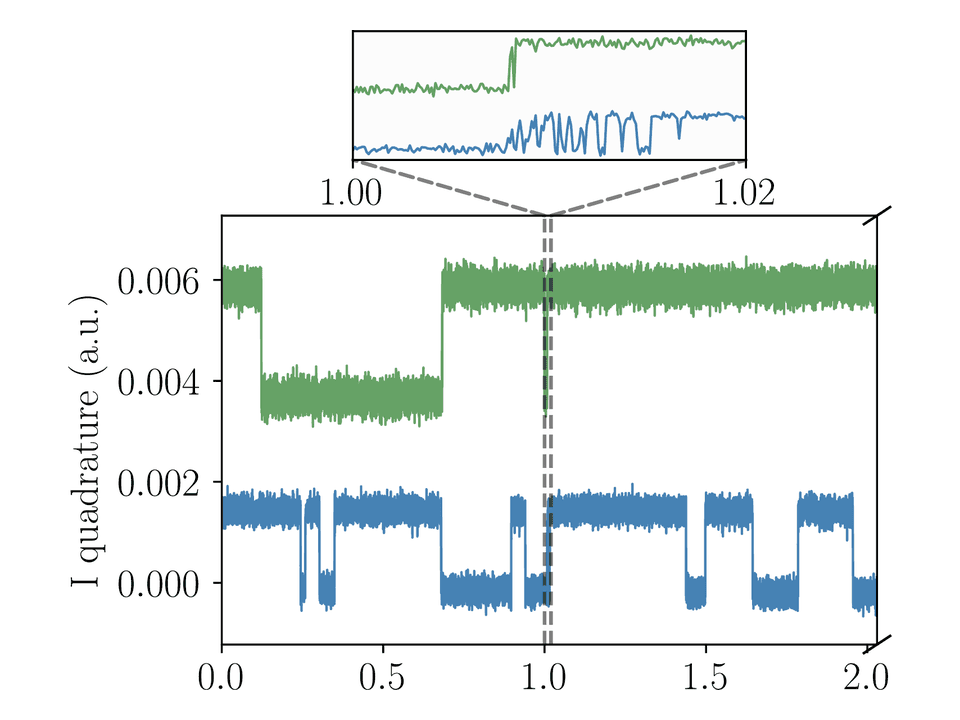
Real-time detection of correlated quasiparticle tunneling events in a multi-qubit superconducting device
S. Sundelin et al.Phys. Rev. Applied (2026)arXiv:2602.01945
HERD inside the light-tight shield at 10 mK, on the input and output lines, for low in-band loss while attenuating frequencies that break Cooper pairs.
Chalmers University of Technology
Tancredi and Bylander groups
Processors & gates · 2025-03
Chalmers University of Technology Tancredi and Bylander groups
Processors & gates · 2025-03
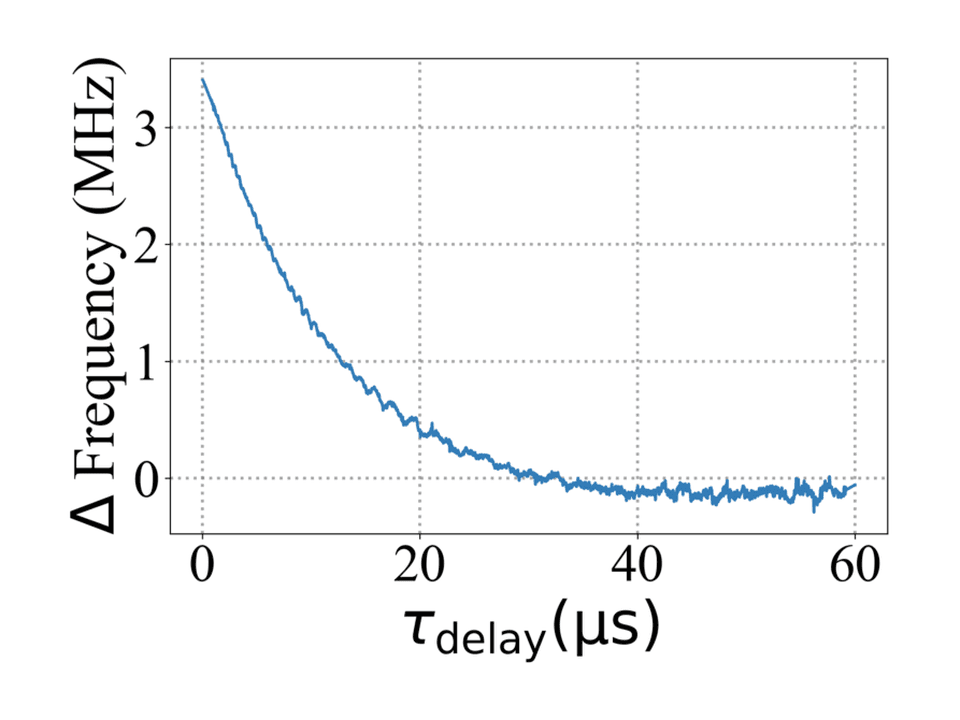
Mitigating transients in flux-control signals in a superconducting quantum processor
A. Aggarwal et al.arXiv:2503.08645
HERD on the readout output line, just above the 10 mK stage, to block infrared.
Chalmers University of Technology
Gasparinetti group
Devices & sensing · 2025-02
Chalmers University of Technology Gasparinetti group
Devices & sensing · 2025-02
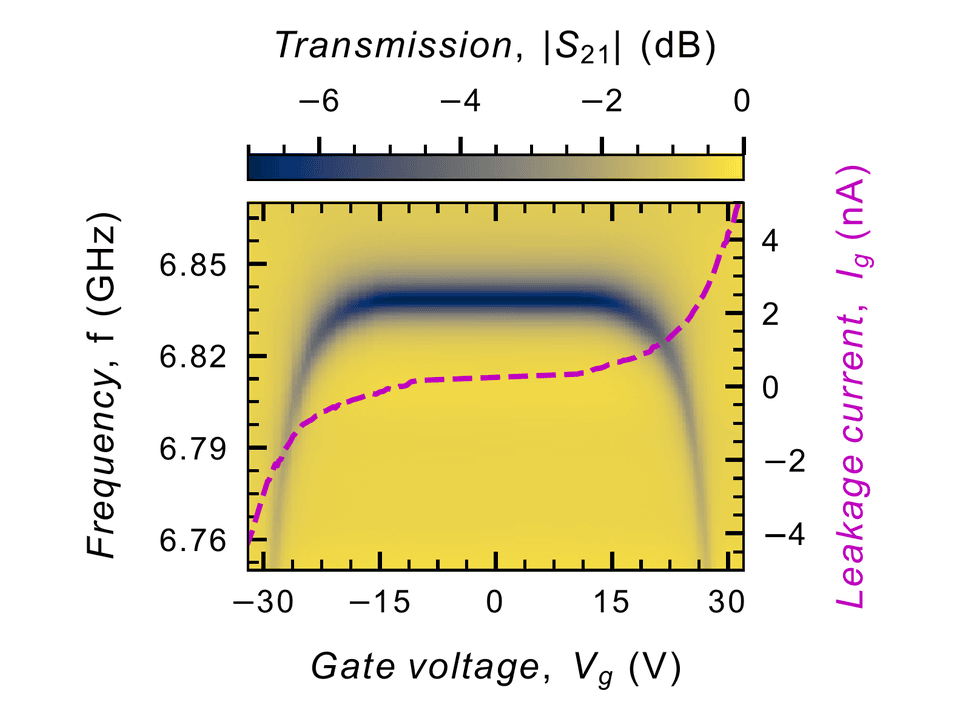
Microwave dynamics of gated Al/InAs superconducting nanowires
V. Buccheri et al.Appl. Phys. Lett. 126, 232602 (2025)arXiv:2502.17970
HERD on the RF gate line at the mixing chamber.
Chalmers University of Technology
Gasparinetti group
Qubits & coherence · 2024-04
Chalmers University of Technology Gasparinetti group
Qubits & coherence · 2024-04
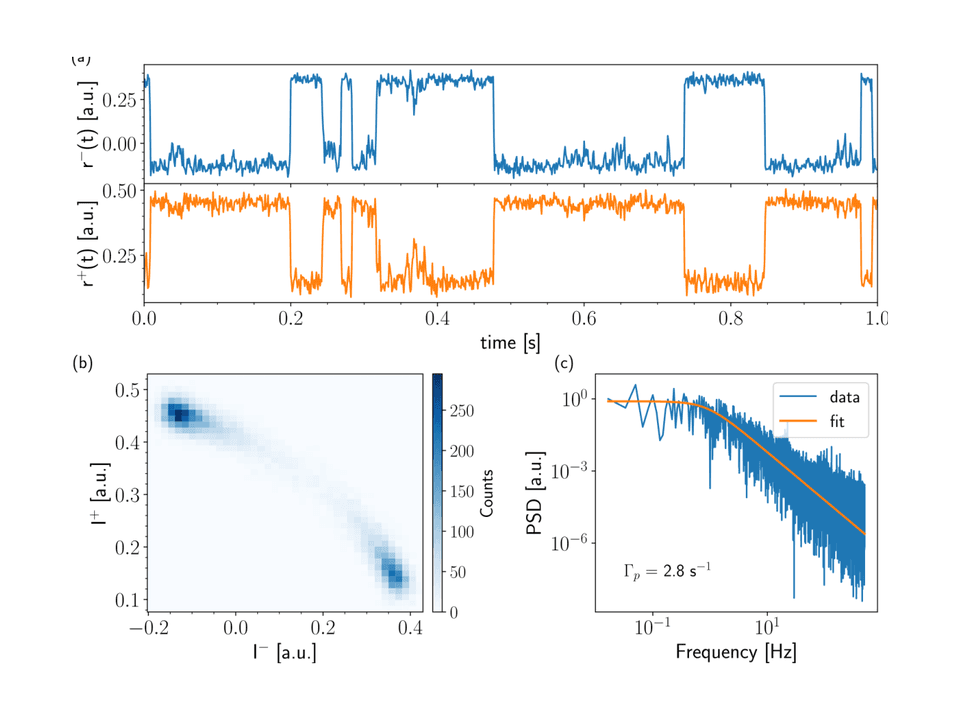
Direct detection of quasiparticle tunneling with a charge-sensitive superconducting sensor coupled to a waveguide
K. R. Amin et al.arXiv:2404.01277
HERD on the line to the chip, inside the copper and Cryoperm shields at 10 mK.
Have a paper with HERD in the setup that we missed? Please send us the link: info@swedenquantum.com
Using HERD in your own setup
Install HERD on every line to your device. Check the whole setup as well: one unfiltered line or one gap in the shield lets infrared reach the qubit.
If you start with fewer lines, start with the readout output. In-band loss is most costly there, before the first amplifier, and HERD typically adds 0.25 dB or less, as measured at room temperature up to 8 GHz. HERD can be mounted directly at your device, before a TWPA. Our HERD application note covers each type of line and two experiments to verify the improvement in your own cryostat.
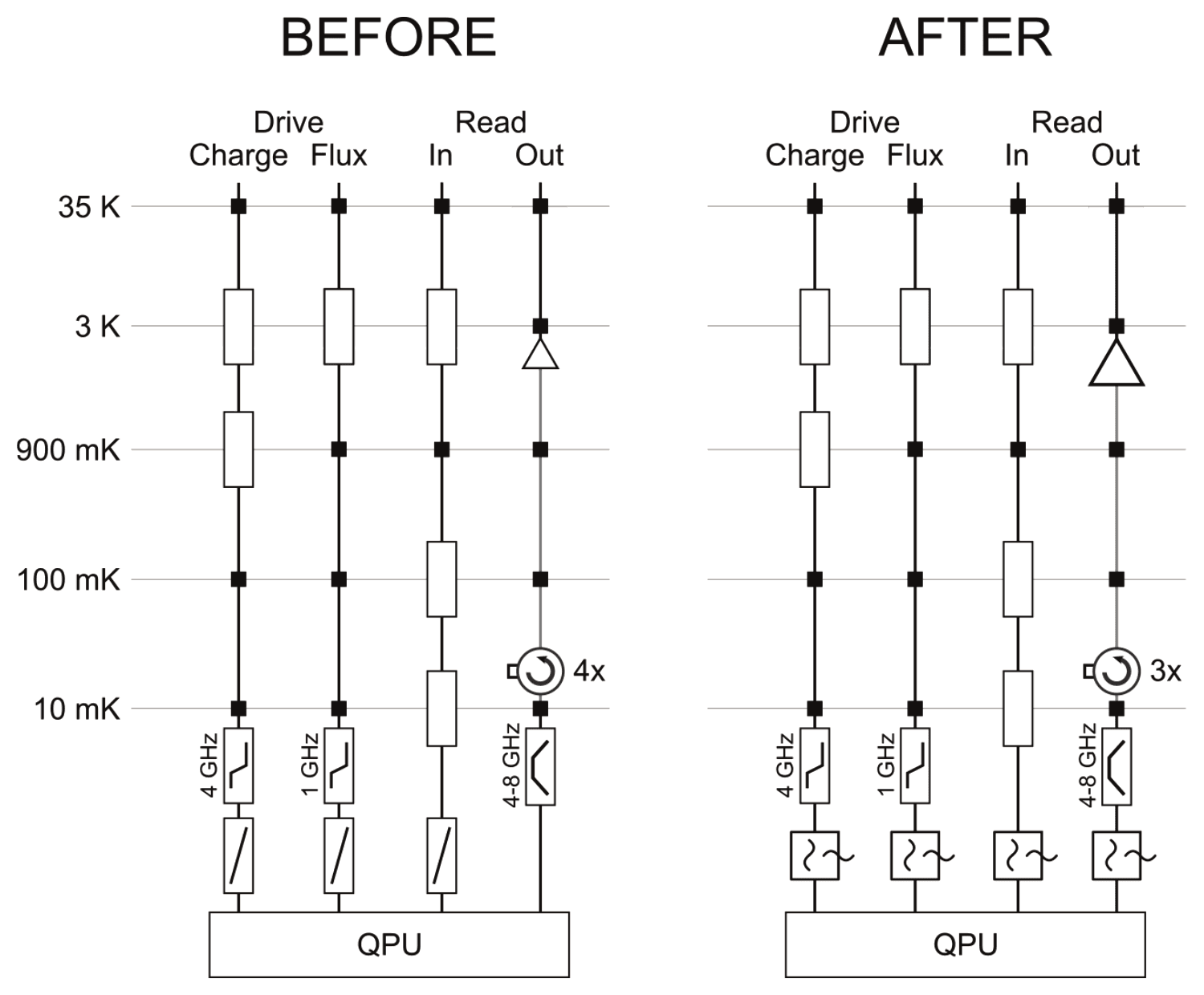
Wiring before and after HERD, from our application note.
For a quote, tell us how many filters you need and which connectors you use.
Request quote